Chapter 1: What Is Terminal Ablation?
Wire harness terminal ablation refers to the failure phenomenon where metal connectors in electrical connections melt, oxidize, deform, or even carbonize due to localized abnormal high temperatures. This not only disrupts the conductive path but also poses a significant potential fire hazard for vehicles. A single eroded terminal can cause equipment malfunction at best, and at worst, may ignite surrounding wire harnesses, components, or even the entire vehicle—its dangers far exceed those of ordinary poor contact.
Chapter 2: Primary Causes of Terminal Ablation
Terminal ablation stems not from a single cause but from multiple interrelated factors:
Current Overload and Excessive Contact Resistance: This is the core cause. When terminals become loose, corroded, or are of poor quality, contact resistance surges dramatically. This eventually exceeds the terminal’s thermal tolerance, leading to erosion.

Terminal erosion caused by loosening
Loose Terminals and Intermittent Contacts: Improper installation, vibration, or aging connectors with failed locking mechanisms prevent stable, secure connections. This causes momentary interruptions or increased resistance, generating arcs and localized high temperatures.
Environmental Corrosion and Oxidation: In humid, salty, or chemically contaminated environments, an oxide layer forms on terminal metal surfaces. This non-conductive, high-resistance layer becomes the starting point for abnormal heating.
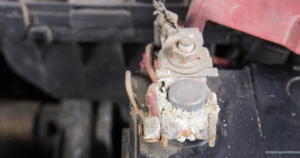
Terminals oxidized due to environmental factors
Material and Process Defects: Using non-standard copper materials, or plating layers (e.g., tin, silver) that are too thin or uneven, can result in low conductivity and susceptibility to oxidation in the terminals themselves. Rough stamping processes can also create uneven contact surfaces, increasing contact resistance.

Terminal plating is too thin
Design Mismatch: Selecting terminals and wires with insufficient current capacity (ampere rating) for high-current devices (e.g., starters, PTC heaters) inevitably leads to overheating and subsequent burning due to prolonged “overloading.”
Understanding these root causes enables us to systematically develop prevention strategies.
Chapter 3: How to Effectively Prevent Terminal Ablation
Systematic error-proofing measures are required to address the above causes:
Design and Installation: Select terminals and wiring strictly according to circuit load requirements and rated current specifications. During installation, ensure connectors are fully engaged with audible locking confirmation and utilize anti-loosening designs.
Routine Inspection and Maintenance: Periodically examine critical high-current circuits (e.g., battery terminals, alternator, headlight wiring) for loose connections or discoloration. Maintain electrical interfaces clean and dry.
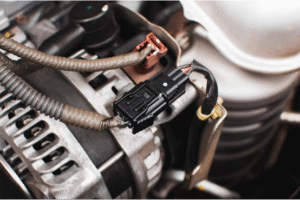
Inspect generator connections
Use Specialized Materials: In corrosive environments, employ gold- or silver-plated high-performance terminals and properly apply conductive grease to prevent oxidation and stabilize contact resistance.
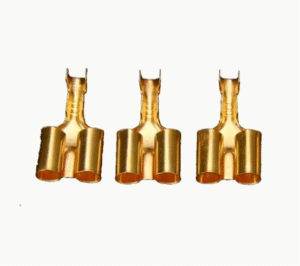
Gold-plated terminals
Upgrades and Modifications: When adding high-power electrical equipment, power must be drawn independently from the fuse box using appropriately rated wiring harnesses and terminals. Never connect such equipment to existing low-capacity circuits.

Vehicle Modification
Apply Technical Monitoring: For critical vehicles, conduct periodic electrical system inspections using thermal imaging cameras to detect and address abnormal hotspots early.
Allowing terminal erosion to progress unchecked creates cascading risks that severely threaten vehicle and personal safety.
Chapter 4: Severe Consequences and Risks of Terminal Ablation
Terminal ablation triggers multi-level risks:
Complete Electrical Failure: Erosion causes circuit breaks, directly halting systems like headlights, air conditioning, and ECU control modules—potentially immobilizing the vehicle.

High Beam Malfunction
Interrupted Data Signal Transmission: Modern vehicles rely on CAN bus communication. Terminal ablation can interfere with or interrupt critical data signals (e.g., engine RPM, vehicle speed), causing vehicle system malfunctions.
Potential Fire Hazard: Sustained high temperatures can ignite wiring harness insulation, oil residues, or interior trim materials, making it a primary cause of vehicle spontaneous combustion.
Exorbitant Repair Costs: Terminal ablation often affects entire connectors or sections of wiring harnesses, requiring replacement of entire assemblies—costing far more than individual components.
Secondary Failure Trigger: Abnormal voltage drops and short circuits may damage connected precision electronics (e.g., onboard computers), causing greater economic losses.
Therefore, selecting high-quality wiring harness products from the outset is the first line of defense against terminal ablation.
Chapter 5: How to Select Safe Wiring Harness Products
To ensure long-term safety, follow these detailed guidelines when selecting wiring harnesses:
Verify Current Compatibility: Determine the equipment’s power rating and select products with sufficient margin in wire cross-sectional area and terminal rated current (recommended margin of 20% or more).
Examine Terminal Craftsmanship: Prioritize terminals made from high-quality copper alloys (e.g., brass, phosphor bronze) with uniform, substantial plating (e.g., compliant tin thickness). Inspect samples to ensure clean, burr-free cut edges.
Confirm connector quality: Select connectors with flame-retardant housings, reliable sealing, and secondary locking (CPA) mechanisms to ensure secure physical connections and waterproofing.
Trust brands and certifications: Purchase from authorized channels and prioritize products certified to authoritative automotive wiring harness standards like IATF16949 and USCAR-2.
Evaluate overall design: High-quality harnesses rationally arrange fuses and relays to provide independent protection for high-current circuits, while adding thermal insulation to potential hotspots.
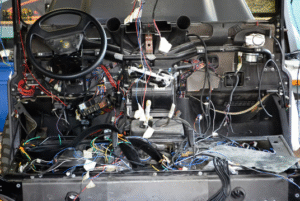
Wiring for the Vehicle Dashboard
Chapter 6: Conclusion
Terminal ablation in wiring harnesses represents a classic progression from minor hazards to major failures, rooted in imbalances between current, resistance, and thermal management. JinHai addresses these causes through systematic preventive measures—from standardized design and proper component selection to correct installation and regular maintenance—while strictly selecting high-quality raw materials. This approach completely prevents such hazardous failures. As automotive electrification and intelligence advance, ensuring the reliability of every electrical connection lays a solid foundation for vehicle safety and durability.