Chapter 1: What Constitutes Automotive Connector Failure?
Automotive connector failure refers to the physical separation or damage of the connector body, pins, housing, or locking mechanism, resulting in interrupted circuit connections or poor contact. This phenomenon not only affects individual functions but can also compromise the stability of the entire vehicle’s electronic systems.
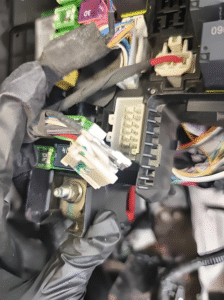
Damaged Fuse Box Connector Diagram
Understanding the failure itself necessitates exploring its underlying causes.
Chapter 2: What Causes Automotive Connector Failure?
Automotive Connector failure typically stems from multiple contributing factors:
Material Defects:
Use of substandard plastics or metals prone to fatigue cracking under high-frequency vibration or extreme weather conditions.
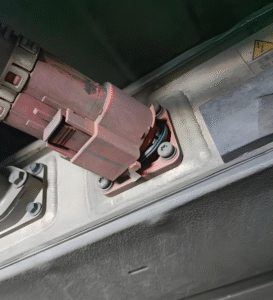
Connectors made of inferior materials
Excessive Mechanical Stress:
Over-tight installation, improper insertion/removal, or prolonged vehicle vibration causing stress concentration.
Environmental Corrosion:
Extended exposure to high temperatures, humidity, or corrosive chemicals accelerating material degradation.
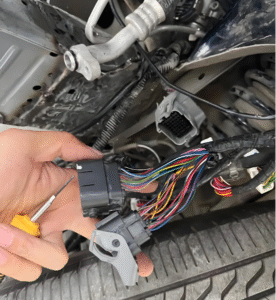
Connectors for High-Temperature Environments
Poor Design:
Structural weaknesses, inadequate latch mechanisms, or compatibility issues leading to operational damage.
Manufacturing process issues:
Flawed injection molding, improper heat treatment of metal components, and other defects create latent fracture risks.
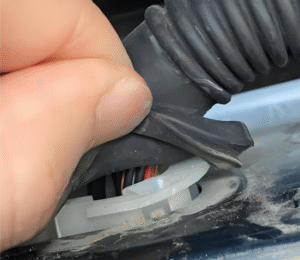
Connectors with injection molding defects
Once causes are identified, effective mitigation becomes critical.
Chapter 3: How to Mitigate Automotive Connector Fracture Causes?
Optimize material selection: Employ high-temperature resistant, aging-resistant engineering plastics (e.g., PBT, PA66) and corrosion-resistant metal coatings.
Enhanced Structural Design:
Incorporate reinforcing ribs and anti-loosening latches, verifying vibration resistance through simulation testing.
Strict Process Control:
Ensure complete injection molding, reliable terminal crimping, and conduct 100% insertion/extraction force testing.
Standardized Installation Procedures:
Provide clear installation guidelines to prevent excessive wire bending or misaligned insertion/extraction.
Enhanced Environmental Protection:
Utilizes sealing rings and coating technologies to resist moisture and corrosion.
If failure occurs, breakage can trigger a cascade of risks.
Chapter 4: What Risks Does Automotive Connector Breakage Pose?
Safety Risks:
Malfunction of systems like airbags, ABS, and brake assist directly endangers occupants.
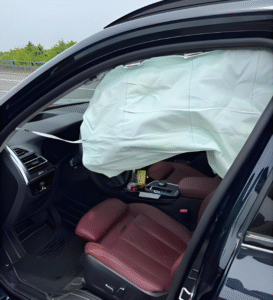
Connector failure caused the airbag to deploy.
Functional Failure:
Causes abnormalities in lighting, sensors, infotainment, and other features, compromising the driving experience.

The vehicle will not start.
High repair costs:
Difficult fault diagnosis often necessitates replacing wiring harnesses or entire modules.
Damage to brand reputation:
Frequent quality issues may trigger user complaints and recall events.
Therefore, selecting high-quality connectors from the outset is crucial.
Chapter 5: How to Select High-Quality Automotive Connectors?
Certifications and Standards:
Prioritize products certified by automotive industry standards such as ISO 16750 and USCAR.
Material Validation:
Require suppliers to provide material data sheets confirming temperature resistance, flame retardancy, and mechanical properties.
Structural Evaluation:
Inspect locking mechanisms for robustness and verify mating cycles meet standards (typically ≥100 cycles).
Environmental Adaptability:
Confirm protection ratings(e.g., IP67 or higher) and chemical corrosion resistance.
Supplier Qualifications:
Select reputable brands with proven experience in vehicle integration and stringent process control.
Testing Support:
Require reliability test reports covering vibration, thermal shock, salt spray, etc.
Chapter 6: Conclusion
Automotive connector failure is no minor issue, as it permeates the entire lifecycle from design and manufacturing to usage. As a professional custom wiring harness manufacturer, JinHai ensures the delivery of high-quality, high-performance custom wiring harnesses by scientifically analyzing root causes, implementing targeted prevention strategies, and rigorously selecting premium products.