Introduction
Definition and Applications of Coaxial Cable
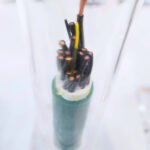
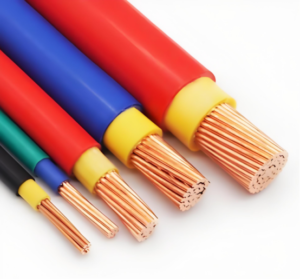
Coaxial cable is a common type of signal transmission line featuring a precise structure. From the innermost to the outermost layer, it consists of a central conductor, insulating dielectric, shielding layer, and outer sheath. This unique construction enables efficient transmission of high-frequency signals while effectively resisting external electromagnetic interference. Consequently, coaxial cables are extensively deployed in residential and commercial settings, serving as critical components for ensuring stable transmission of cable television (CATV), closed-circuit television (CCTV) surveillance, broadband internet access, and satellite television signals.
Significance of Coaxial Cable Damage
Although coaxial cables are designed for durability, they are not indestructible. Damage can result in degraded signal quality—manifesting as mosaic patterns on TV screens, intermittent audio, or slowed internet speeds—or even complete signal loss, rendering connected devices inoperable. In today’s digitally connected world, understanding the causes and consequences of coaxial cable damage is essential for maintaining stable home entertainment and office networks.
Purpose and Structure Overview
This article aims to comprehensively and systematically explore the various factors causing coaxial cable damage, providing practical guidelines for inspection, maintenance, and selection. It will first analyze four primary types of damage, then delve into the specific causes behind these issues. Subsequently, it will outline fault symptoms, testing methods, and inspection indicators. Finally, it will offer daily maintenance techniques and professional purchasing advice to help readers prevent and resolve coaxial cable-related problems.
Four Types of Damage Leading to Coaxial Cable Failure

The root causes of coaxial cable failure can be attributed to four core damage types, which directly manifest all subsequent specific reasons.
Physical Damage
Physical damage represents the most prevalent and readily observable form of deterioration. This encompasses, but is not limited to: internal conductor fractures or deformation caused by excessive bending during installation; structural flattening resulting from compression by doors, windows, or furniture; accidental shearing or puncturing during renovation or construction; and chewing by pets or rodents. Such damage directly compromises the cable’s physical integrity, obstructing signal transmission pathways.
Environmental Factors
The long-term impact of environmental factors is equally significant. Outdoor coaxial cables experience gradual aging, brittleness, and cracking of the outer jacket due to ultraviolet radiation. Rainwater or moisture infiltrating through damaged sections can cause oxidation and corrosion of the metal shielding layer and connectors, severely compromising shielding effectiveness and electrical connection performance. Extreme high or low temperatures also accelerate material degradation, shortening the cable’s service life.
Electrical Overload
Though uncommon, intense electrical events represent a critical factor causing permanent damage to coaxial cables. For instance, lightning strikes or surges from nearby power lines can generate instantaneous ultra-high voltages and currents, breaking down the cable’s insulation and even melting the center conductor, resulting in irreparable damage.
Poor Connections
The cable’s endpoints—connectors—represent the weakest link in the entire chain. Improper connector installation, over-tightening or under-tightening, bent or broken center pins, and oxidation of connector interfaces due to prolonged exposure to air can all cause poor contact. Such issues not only lead to signal attenuation but may also generate signal reflections, further disrupting data transmission.
Primary Causes of Coaxial Cable Damage
Having identified the types of damage, we can further trace the specific actions and conditions that lead to these failures.
Improper Installation
Unprofessional installation is the primary cause of premature cable failure. For instance, forcibly pulling cables during routing, using inappropriate fastening tools (such as nails), flattening cables, or bending them below the manufacturer’s specified minimum radius can all inflict permanent physical damage. Additionally, bundling cables alongside power lines may introduce electromagnetic interference, degrading signal quality.
Improper Use
During routine operation, frequently moving devices connected via cables (like televisions or modems) by repeatedly bending or pulling the cable itself rather than the connectors places immense stress on connection points. This can easily cause internal wire breaks or connector loosening.
Equipment Aging
All materials have a finite lifespan. Over time, the insulation and outer sheath of coaxial cables naturally degrade, gradually diminishing their physical and electrical properties. Cables installed outdoors or in harsh environments experience significantly accelerated aging, increasing the risk of failure.
External Interference
Unforeseen external events can also damage cables. Examples include landscaping activities near buildings, drilling within walls, severe weather (such as typhoons or hailstorms), and animal damage, all of which may cause accidental harm to installed coaxial cables.
Symptoms of Coaxial Cable Failure
Coax cable problems typically manifest themselves in one of the following ways.
Signal Loss
This is the worst symptom as this appears with no picture on TV (either black screen or a “No Signal” message) or modem not able to get any internet. This typically means a bad physical break or short in the cable.
Signal Attenuation
There is a signal, but it’s not strong enough. That means you end with rubbish TV channels and internet speeds many times slower than advertised (if you can stream videos without buffering).
Picture or Audio Distortion
This is the quintessential poor signal quality indicator. TVs can produce pixelated images, mosaic patterns, horizontal lines, or jumpy pictures and audio that is choppy, stuttering, crackly or muted altogether.
Device Recognition Failure
Other connected devices (STBs or modems) can have blinking lights and they may be working to lock onto the signal but don’t for whatever reason. On the diagnostic screen of said device, one may see error messages containing “Signal Lock Failure” or “Signal to Noise Ratio (SNR)” too low.
How to Test Coaxial Cable
When cable damage is suspected, preliminary testing and diagnosis can be performed using the following methods.
Using a Multimeter
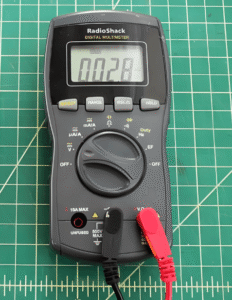
For users with basic electronics knowledge, a multimeter serves as a fundamental diagnostic tool. Perform a “continuity test” to check for short circuits between the center conductor and shield (which should exhibit infinite resistance under normal conditions) and verify continuity between each end of these components (which should show near-zero resistance). This identifies open circuits or short circuits.
Signal Strength Testing
Many modern modems and set-top boxes incorporate diagnostic features. Users can log into their management interfaces to view critical parameters like downlink/uplink signal strength (Power Level) and signal-to-noise ratio (SNR). Comparing these values against the standard ranges provided by the service provider helps determine if signal quality meets specifications. Dedicated coaxial cable signal testers are also available on the market for more precise signal strength measurements.
Application of Spectrum Analyzers
For technical professionals, spectrum analyzers represent the ultimate diagnostic tool. They display signal distribution and noise levels across the entire frequency band, enabling precise identification of specific frequency issues caused by cable damage, faulty connectors, or external interference.
Visual Inspection
Before conducting any technical tests, a thorough visual inspection should always be performed first. This simplest and most direct method often reveals the majority of physical damage issues.
Inspecting Coaxial Cable for Signs of Damage
A systematic inspection can help you quickly pinpoint the source of the problem.
Visual Inspection
Carefully examine the entire length of the cable, looking for visible cracks, wear, cuts, crush marks, or signs of scorching on the jacket. For outdoor cables, pay special attention to whether they have become stiff and brittle due to sun exposure.
Connector Port Inspection
Disconnect both cable ends and examine the connectors closely. Verify that the center pins are straight and undamaged; check the metal contacts for rust, white or green corrosion deposits. Ensure connectors are securely fastened to the cable without any looseness.
Signal Quality Monitoring
If the issue is intermittent, gently shake the cable or connectors when symptoms occur. If this action reproduces or eliminates the fault, the problem likely lies in the area being jiggled.
Device Performance Evaluation
As part of troubleshooting, directly connect the device (e.g., TV) to the signal source using a known-good short coaxial cable. If the device functions normally, it strongly indicates an issue with the original long cable or in-wall wiring.
How to Maintain Coaxial Cable
Good maintenance habits can significantly extend the lifespan of coaxial cable and ensure long-term stable signal transmission.
Regular Inspection and Cleaning
It is recommended to inspect all visible coaxial cables and their connection points once a year. For indoor connectors, use anhydrous alcohol and cotton swabs to clean the interfaces, removing dust and oxidation.
Avoid Excessive Bending and Pulling
When organizing cables, maintain their natural curvature and avoid sharp bends or overly tight bundling. When plugging or unplugging connectors, hold the connector itself for operation; never pull directly on the cable.
Proper Storage and Protection
For outdoor installations or cables passing through walls, use PVC conduits or cable trays for protection against physical damage and environmental corrosion. Cables not in use should be loosely coiled and stored in a dry, shaded environment.
Regular Replacement of Aged Cables
Particularly for coaxial cables exposed outdoors, performance may degrade due to prolonged aging even without visible damage. It is generally recommended to consider replacement every 10-15 years to prevent potential failures.

Recommendations for Selecting Coaxial Cable
Selecting a well-made aerial lead is the first stage of creating a good, stable connection.
Types of Coaxial Cables
The most popular types on the market today are RG-6 and RG-59. It is mainly adopted to RG-6 at present, suitable for high frequency signal transmission with a better shielding and lower loss. RG-59, most commonly used for older analog video and some CCTV systems. For distances greater than 50 meters you should consider using RG-11 cable, which has less signal loss.
Take a Look at the Environment and Requirements
Choose appropriate cables according to the installation environment. Outdoor cables, for example, pergolas and gazebo applications need UV protective and waterproof jackets. When cables need to be run through heating and cooling channel, use “Plenum” rated cables that comply with fire safety standards for buildings. Quad shield cables are recommended for high EMI environments.
Check out User Reviews and Get Expert Recommendation
Before making a judgement, always check the feedback and ask for recommendation from expert installers. Their hands-on experience offers a useful perspective on the durability and effectiveness of various cable brands or models.
Conclusion
In summary, damage to coaxial cables is not uncommon, stemming from diverse causes ranging from simple physical wear to complex environmental corrosion. Such damage directly impacts the quality of our digital lives, leading to disruptions in critical communication services.
As this analysis demonstrates, prevention far outweighs repair. Investing effort during the procurement phase to select high-quality cables that meet requirements and standards, coupled with proper maintenance and inspection during daily use, is the most effective strategy for ensuring long-term signal stability and avoiding unnecessary complications.
Although fiber optic technology is becoming increasingly widespread, hybrid fiber-coaxial (HFC) networks based on coaxial cables will continue to play a vital role in the “last mile” access networks for many years to come. Therefore, we recommend that users enhance their awareness of the importance of coaxial cables, treating them as a critical component of home network infrastructure. Proactive inspection and maintenance will maximize the enjoyment of stable, high-speed digital services.
Go for high-quality cable assemblies and wiring harnesses. Jinhai offers you the best solution for wire assemblies.
Furthermore, we ensure we work with your required specification. Our services are top-notch. If you need help with your cable, feel free to contact us.