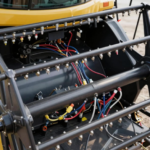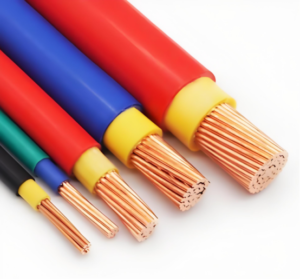
Overheating and burn damage caused by loose installation of 6 AWG terminal blocks
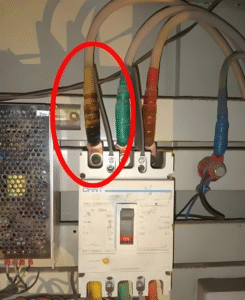
Why Does Overheating Occur at 6 AWG Wire Terminals?
Electrical heating typically indicates increased resistance. Resistance increases occur when:
- The wire terminal size does not match the cable size.
- Insecure crimping
- Oxidation or contamination on contact surfaces
- Loosening at connections due to vibration
When using 6 AWG wire, the current is extremely high. Even minor imperfections at the connection point can generate significant heat. This heat accumulates gradually, often going unnoticed until insulation discoloration, performance degradation, or even charring occurs.
Select terminals matched to 6 AWG wire
Cable size and terminal must achieve 100% compatibility.
6 AWG terminals must perfectly match the conductor strands. Oversized terminals cause poor crimping, while undersized terminals risk damaging wires and reducing contact area.
Never force a cable into a terminal, and never compensate with excessive crimping pressure.
Selecting the correct stud hole is critical for terminals
Using the correct stud size prevents terminal loosening or mismatch. Loose fits allow terminal movement, increasing resistance and heat generation.
For battery connections, using 6 AWG battery terminals with matching ring terminals is the most reliable choice.
Verify terminal material compatibility
Bare copper 6 AWG ring terminals offer superior conductivity, making them widely preferred. Equally important is ensuring terminals match suitable terminal materials. This aids early detection of corrosion failures in outdoor environments or applications with high-frequency motion and vibration.
Prepare cables beforehand for seamless connections.
Strip the insulation
Strip the insulation only to the point where the conductor fully inserts into the terminal. Excess wire strands increase oxidation risk and may cause short circuits.
Note: Maintain conductor integrity during stripping. Scratched or severed wires reduce current-carrying capacity and may overheat under power.
Maintain wire cleanliness
Before inserting the cable:
- Inspect the wire for corrosion or discoloration
- Ensure the wire is straight and undamaged
- Clean any dirt from the wire surface
Ensure the wire makes full contact with the 6 AWG ring terminal.
Proper Crimping Technique
Select appropriate crimping tools
Professional crimping tools ensure a uniform, secure connection between the 6 AWG terminal and wire, delivering long-term reliability. Manual crimping pliers or other tools cannot guarantee a reliable terminal-to-wire bond.
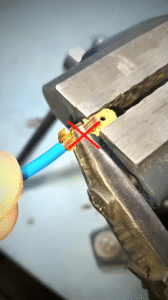
Incorrect crimping method for 6 AWG terminal blocks
Apply consistent pressure
Quality over quantity. A tight crimp securely holds the wire and seals out air, contributing to long-term connection reliability.
After crimping, firmly pull the terminal. It should not rotate or slip. Perform a pull-out test (destructive test) if necessary.
Why Heat Shrink Tubing and Insulation Matter
Seal the Connection
Heat shrink tubing adds a protective layer that:
- Seals against moisture ingress
- Absorbs stress under vibration
- Reduces environmental corrosion risks
This step significantly extends cable lifespan for mobile or outdoor applications.
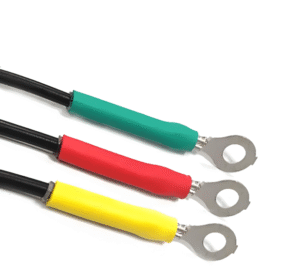
6 AWG terminal protected with heat-shrink tubing
Risks of Using Electrical Tape Alone
Due to its thin texture, electrical tape is prone to loosening under heat and aging. Therefore, heat shrink tubing is essential. It provides stable insulation properties that remain effective even with temperature fluctuations.
Proper Installation of Ring Terminals
Clean the contact surfaces
Both sides of the 6 AWG lug must be thoroughly cleaned before securing it to the terminal. Oxides or residues increase resistance, which is the primary cause of overheating.
Standard Torque
Torque directly impacts the 6 AWG ring terminal. Over-tightening damages the terminal, while under-tightening causes loosening.
Follow the manufacturer’s torque specifications to achieve a secure, low-resistance connection.
Use Lock Washers
In high-vibration environments like vehicles or machinery, lock washers help maintain a secure connection over time.
What are common installation errors?
Even experienced technicians encounter these issues:
- Using incorrect lug sizes
- Failure to use proper crimping tools
- Stranded wire strands breaking loose
- Ignoring torque specifications
- Reusing 6 AWG ring terminals, even when deformed
These installation flaws increase contact resistance and cause persistent overheating, compromising system stability.
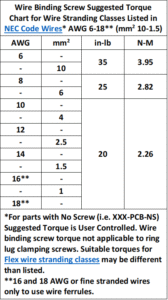
Torque Specifications for 6 AWG Terminal Connectors
Inspection and Maintenance
After successful installation:
- Inspect terminal connections and 6 AWG ring terminals after the first power cycle.
- Check for discoloration or overheating.
- Retighten as necessary.
In high-current or continuous-duty systems, regular inspections enable timely issue detection.
Precision Work, Success Guaranteed
Preventing overheating hinges on meticulous execution at every stage. Proper cable preparation, precise crimping, and correct installation ensure stable current flow through 6 AWG terminals. Attention to detail during installation remains one of the simplest ways to protect electrical equipment. JinHai‘s exceptional crimping expertise and extensive raw material inventory can accelerate your project’s success.