Chapter 1: What Are the Manifestations of Seat Adjustment Malfunction?
Seat adjustment malfunction typically presents through several common symptoms:
1.Complete seat function failure, where no response occurs regardless of adjustment attempts.
2.Partial malfunction, such as forward/backward movement working normally while recline or height adjustment fails. Mechanically adjusted seats may exhibit sticking, loose adjustment handles, or inability to lock.
3.Reverse movement, where attempting to move the seat forward causes it to move backward instead.
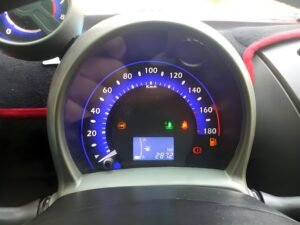
Seat failure warning light stays on
Chapter 2: What causes seat adjustment malfunctions?
Causes of seat adjustment malfunctions fall into two main categories: mechanical and electrical.
Mechanical aspects:
- Long-term use or frequent movement can cause dust accumulation, foreign objects, or insufficient lubrication in the slide rails, leading to jamming;
- Wear or breakage of transmission components like gears and screws;
- Loosening or damage to connecting mechanisms such as adjustment handles and linkages.

Seat Slide Rail Screw Failure
Electrical Aspects:
- Blown fuses;
- Short circuits or damage to the control switch mainboard;
- Control switch design know-how: Unreasonable setting range;
- Signal interference in wiring harnesses;
- Disconnected or misaligned terminals causing circuit breaks and signal loss;
Additionally, control module failures or software issues may disrupt adjustment functions. Note that liquid ingress, modified circuits, or prolonged vibration can trigger electrical faults.

Seat wiring harness terminal pin disengagement causes seat adjustment malfunction
Chapter 3: How to Prevent Seat Adjustment Malfunctions?
Effectively preventing seat adjustment malfunctions requires addressing usage habits and regular maintenance.
During daily use, avoid frequent rapid adjustments or excessive force, especially with mechanical seats. Keep the rails clean to prevent sand, food particles, or other debris from entering the tracks. For power seats, minimize prolonged use with the engine off to prevent excessive battery drain.
Regular maintenance is crucial. Inspect seat mounting bolts for looseness and lubricate mechanical components every six months or as per the vehicle manual. Keep power seat wiring dry and prevent liquid spills. Address early signs like stiff operation or unusual noises promptly to prevent minor issues from escalating.
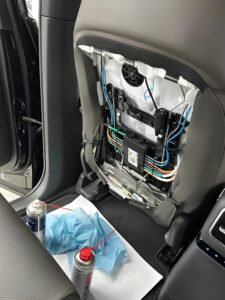
Regular maintenance
Chapter 4: What Risks Does Seat Adjustment Malfunctions Pose?
Seat adjustment malfunction not only compromises comfort but also introduces multiple risks.
- Safety Risks are most prominent: Drivers unable to achieve proper seating positions directly impair vehicle control, increasing fatigue and accident probability. During collisions, unsecured seats may cause occupant displacement, reducing the effectiveness of seatbelts and airbags.
- Health risks are equally significant: prolonged improper posture may cause occupational ailments like lower back pain and neck discomfort, compromising occupants’ physical well-being.
- Financial and Legal Risks follow: repairs outside warranty periods can be costly; liability determinations may disadvantage owners in accident claims. Additionally, failed adjustment functions reduce resale value and depreciate the vehicle’s residual worth.
Chapter 5: Conclusion
Seat adjustment malfunctions are complex issues involving mechanical, electrical, and other systems. Seat adjustment is not only about comfort but also a fundamental component of safe driving. Regular inspections and timely repairs ensure driving safety while extending seat lifespan. As a premium supplier to China’s domestic seat manufacturers, JinHai possesses deep expertise in seat functionality and operating environments. This extensive experience informs our unique approach to custom wiring harness manufacturing. We sincerely hope our tailored solutions will contribute to the success of your projects.