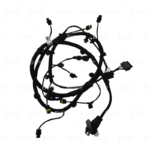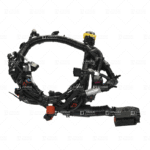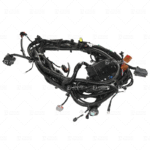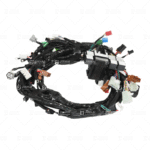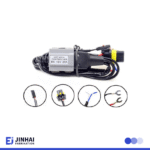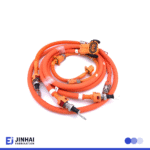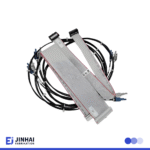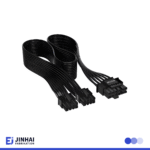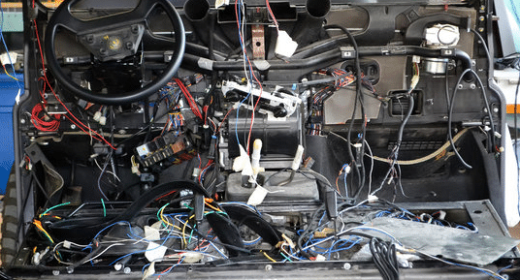

Today, however, in our digitally-savvy vehicles, the wiring harnesses snaking their way around the body of a car perform much the same function as the human nervous system does—dispatching power and signals to enable everything from engine control units to infotainment systems to work. Connectors, as the tensile "joints" or synaptic connection of this nervous system are clearly important. They provide dependable, stable connection of ECUs, sensors and actors in electronics. A small connector failure can lead to issues from something as simple as troublesome window operation all the way up to serious brake system alerts. Therefore, it is very important to understand automotive wiring harness connectors thoroughly before dealing with your vehicle’s wiring system.
This article below provides you with valuable information about the various automotive wire connectors, including how they will save your time and money while helping you to keep the vehicles in top-notch condition. Beginning with their basic functions and types, it goes on to dissect their internal structures, materials applications, sealing concepts, and wiring system designs.